

A hernia is often underestimated because its early signs may seem mild or harmless. Many people continue their daily routine without realizing that a small bulge or discomfort can signal a serious underlying issue. Ignoring these symptoms can lead to complications that require emergency care. Consulting an experienced Hernia Surgeon in Nashik at the right stage ensures timely treatment, prevents risks, and supports faster recovery.
What Is a Hernia?
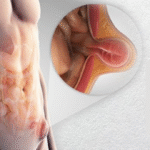
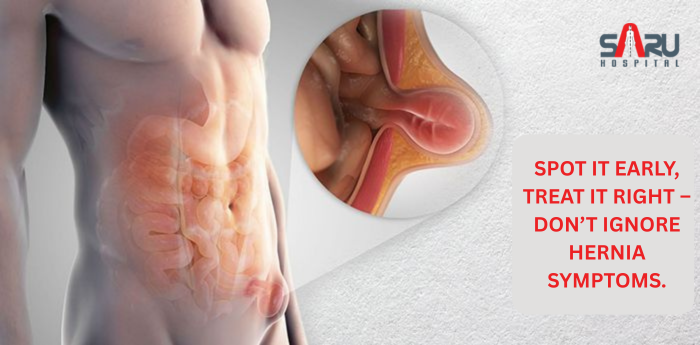
A hernia develops when an internal organ or fatty tissue pushes through a weak or damaged area of muscle or connective tissue. This weakness allows the tissue to protrude outward, forming a visible or noticeable bulge. Hernias most commonly occur in the abdomen, groin, or near surgical scars.
Factors such as heavy lifting, obesity, pregnancy, chronic coughing, constipation, aging, or previous surgeries can increase the risk. While hernias may begin without pain, they usually progress over time if left untreated.
Common Early Hernia Symptoms
Identifying hernia symptoms at an early stage is crucial. Some of the most common early warning signs include:
Visible or Palpable Bulge
A lump or bulge is often the first noticeable symptom. It may appear while standing, coughing, laughing, or lifting heavy objects and disappear when lying down. The size of the bulge can gradually increase over time.
Pain, Discomfort, or Burning Sensation
Mild pain or discomfort around the affected area is common, especially during physical activity. Some people describe a burning, aching, or pulling sensation that worsens with exertion.
Feeling of Pressure or Heaviness
A persistent sensation of pressure, heaviness, or weakness in the abdomen or groin is another early indicator. This feeling may intensify toward the end of the day or after long periods of standing.
Pain While Bending, Lifting, or Exercising
Pain during movements such as bending forward, lifting weights, or exercising may suggest a developing hernia, particularly in people with physically demanding jobs or active lifestyles.
Hernia Symptoms in Men and Women
Hernia symptoms can differ between men and women due to anatomical variations.
In men, inguinal hernias are more common. Symptoms may include groin pain, swelling extending into the scrotum, or discomfort while coughing and lifting.
In women, femoral and umbilical hernias are more frequently seen. These may cause deep pelvic pain, abdominal discomfort, or swelling near the navel. During pregnancy, hernia symptoms may become more noticeable due to increased abdominal pressure.
Types of Hernia and Their Symptoms
Understanding different hernia types helps in recognizing symptoms early.
Inguinal Hernia
- Bulge in the groin area
- Pain during coughing, bending, or lifting
- Weakness or pressure in the lower abdomen
Umbilical Hernia
- Swelling or bulge near the belly button
- Pain or tenderness around the navel
Incisional Hernia
- Bulge near a previous surgical scar
- Discomfort that worsens while standing or straining
Hiatal Hernia
- Acid reflux and heartburn
- Chest discomfort
- Difficulty swallowing
Patients seeking expert evaluation often consult a Hernia Surgeon in Gangapur Rd, Nashik for accurate diagnosis and personalized treatment based on the hernia type and severity.
When Hernia Symptoms Become a Medical Emergency
Certain symptoms indicate a serious complication and require immediate medical attention:
- Sudden or severe pain
- Redness, swelling, or warmth over the bulge
- Nausea, vomiting, or fever
- A bulge that becomes hard, painful, or cannot be pushed back
These signs may indicate a strangulated hernia, where blood supply to the trapped tissue is cut off. This condition is life-threatening and requires urgent surgery.
What Happens If a Hernia Is Left Untreated?
Leaving a hernia untreated can cause the condition to worsen gradually. The bulge may increase in size, leading to persistent pain and restricted movement. Over time, the hernia can trap intestinal tissue, increasing the risk of obstruction or strangulation.
Delayed treatment often results in emergency surgery, which carries higher risks and longer recovery compared to planned procedures. Early intervention is always safer and more effective.
When Should You See a Doctor for Hernia Symptoms?
You should consult a doctor as soon as you notice:
- A new or growing bulge
- Persistent abdominal or groin pain
- Discomfort affecting daily activities
Doctors typically diagnose hernia through a physical examination and may recommend imaging tests such as ultrasound, CT scan, or MRI to confirm the diagnosis and plan treatment.
Can Hernia Be Managed Without Surgery?
Lifestyle changes like avoiding heavy lifting, maintaining a healthy weight, and managing chronic cough or constipation may temporarily reduce symptoms. Support belts may offer short-term relief in select cases.
However, surgery is the only permanent solution for hernia. Modern techniques, especially laparoscopic hernia repair, are minimally invasive and provide faster recovery, less pain, and a lower chance of recurrence.
Tips to Reduce the Risk of Hernia
While not all hernias are preventable, you can lower the risk by:
- Using proper lifting techniques
- Maintaining a healthy body weight
- Treating chronic cough and constipation early
- Avoiding smoking
- Strengthening core muscles under professional guidance
Conclusion
Early recognition of hernia symptoms can prevent complications and reduce the need for emergency surgery. If you notice a bulge, discomfort, or persistent pain, seeking timely medical advice is essential. Consulting a qualified Hernia Surgeon in Nashik ensures accurate diagnosis, advanced treatment, and a safe return to daily life.
Frequently Asked Questions (FAQs)
Can a hernia heal without treatment?
No, a hernia does not heal on its own. Without treatment, it usually increases in size and severity.
Are hernias always painful?
Not necessarily. Some hernias are painless in the early stages, which often leads to delayed diagnosis.
Is hernia surgery safe?
Yes, hernia surgery is a commonly performed and safe procedure when done by an experienced surgeon.
How long does it take to recover from hernia surgery?
Recovery depends on the type of surgery, but many patients return to normal activities within 1–3 weeks after laparoscopic repair.
Can hernia come back after surgery?
Recurrence is rare when surgery is done properly, especially with modern mesh repair techniques.