

A pilonidal sinus is a common condition that often starts quietly but can become painful if left untreated. Typically located near the tailbone, it can cause discomfort while sitting, walking, or performing daily activities. Many people delay seeking medical help, assuming it will heal on its own. However, ignoring it can lead to infections, chronic discomfort, and recurrence. Opting for timely Pilonidal Sinus Treatment in Nashik, including modern laser treatment, can effectively manage the condition and prevent long-term complications.
What Is a Pilonidal Sinus?
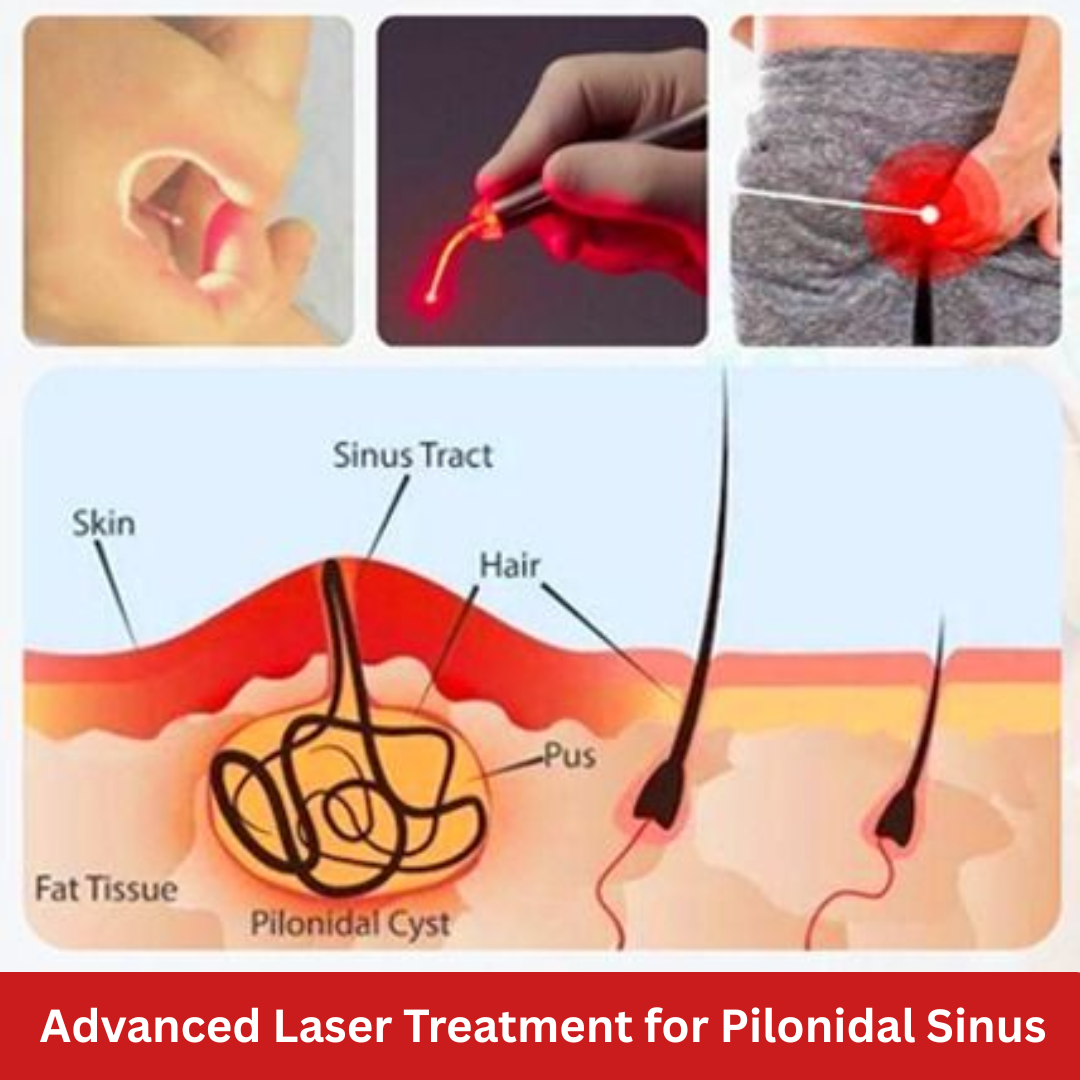
A pilonidal sinus is a small tunnel or cavity under the skin near the cleft between the buttocks. It often traps hair, dead skin, and debris, which can lead to irritation and infection over time. While not life-threatening, it can significantly affect daily life if neglected.
Causes of Pilonidal Sinus
The condition usually develops when hair penetrates the skin, causing the body to form an infected tract. Common factors include:
- Sitting for long hours without breaks
- Excess hair in the tailbone area
- Friction and sweating
- Poor hygiene
- Obesity or sudden weight changes
- Family history of pilonidal disease
These factors increase the likelihood of hair embedding under the skin, leading to sinus formation.
Symptoms to Watch For
Symptoms may vary depending on the severity of the sinus. Early signs are often overlooked, which can worsen the condition. Typical symptoms include:
- Pain or tenderness near the tailbone
- Swelling or redness
- Fluid or pus discharge
- Foul odor from the affected area
- Fever during infection
- Difficulty sitting comfortably
Types of Pilonidal Sinus
- Acute abscess: Sudden pain and swelling
- Chronic sinus: Continuous discharge
- Recurrent sinus: Returns even after treatment
Identifying the type is crucial for determining the right treatment approach.
Diagnosis
Pilonidal sinus is usually diagnosed through a physical examination by a doctor, who checks for openings, swelling, or discharge. For recurrent or complex cases, further assessment may be performed to plan treatment.
Treatment Options
Treatment depends on the severity and presence of infection.
Non-Surgical Care:
Mild cases may be managed through hygiene, hair removal, and observation. Antibiotics can help control infection temporarily but do not eliminate the sinus.
Drainage of Infection:
If an abscess develops, surgical drainage is required to remove pus and relieve pain. While effective for immediate relief, recurrence is still possible.
Definitive Surgical Treatment:
For chronic or recurring cases, surgery is often the best option. An experienced General Surgeon in Nashik can remove the sinus tract to reduce recurrence risk.
Laser Treatment for Pilonidal Sinus:
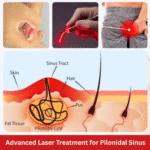
Modern laser treatment has emerged as a highly effective option for pilonidal sinus. It is minimally invasive and targets the sinus tract precisely, reducing trauma to surrounding tissue.
Benefits of Laser Treatment:
- Smaller incision and minimal scarring
- Reduced post-procedure pain
- Faster recovery and quicker return to daily activities
- Lower risk of infection
- Decreased chance of recurrence
Laser treatment combines the precision of surgery with faster healing, making it an excellent choice for patients seeking a comfortable and long-term solution.
Recovery and Aftercare
Recovery depends on the treatment type. Most patients resume light activities within a few days. Key care tips include:
- Keep the area clean and dry
- Avoid prolonged sitting
- Follow hair removal guidance
- Wear loose-fitting clothing
- Attend follow-up appointments
Proper care during recovery significantly reduces the risk of recurrence.
Risks of Ignoring Pilonidal Sinus
Without treatment, the sinus may lead to:
- Repeated infections
- Multiple sinus tracts
- Chronic discharge and discomfort
- Reduced quality of life
Early treatment prevents these complications.
Prevention Tips
Although not always preventable, these measures help reduce risk:
- Maintain hygiene
- Avoid long periods of sitting
- Keep the area free of excess hair
- Maintain a healthy weight
When to Seek Medical Advice
Persistent pain, swelling, or discharge near the tailbone should never be ignored. Early consultation ensures effective treatment and long-term relief.
Conclusion
Pilonidal sinus can be painful and recurring, but modern treatments like laser therapy offer reliable solutions. Early diagnosis, appropriate treatment, and proper recovery care make a significant difference. Choosing Pilonidal Sinus Treatment in Nashik, especially with laser therapy, ensures faster healing, minimal discomfort, and long-term relief.
Frequently Asked Questions (FAQs)
Is pilonidal sinus dangerous?
It is usually not life-threatening but can cause repeated infections if untreated.
Does pilonidal sinus always need surgery?
Mild cases may not, but chronic or recurrent sinuses often require surgical or laser treatment.
How long does healing take after treatment?
Recovery varies, but laser treatment typically allows faster healing within a few weeks.
Can pilonidal sinus return after treatment?
Recurrence is possible, but laser and modern surgical methods significantly reduce the risk.
Can lifestyle changes help prevent pilonidal sinus?
Yes, maintaining hygiene and avoiding prolonged sitting can lower risk.